CIPRB’s role in eliminating lymphatic filariasis and other NTDs in Bangladesh
2013–2025
Field research · Bangladesh
2013–2025Experience period
11Project profiles
3National contributions
01 / INSTITUTIONAL OVERVIEW
Research, monitoring and service facilitation
Since 2013, CIPRB’s Health System Research Division has worked across four key areas:
Lymphatic Filariasis (LF) and its chronic complicationsHydrocele and LymphoedemaSnakebiteMalaria
In these NTDs, CIPRB works on research, evidence generation, programme implementation and health system strengthening.
Our Collaborations
The national Filariasis Elimination Programme of the Directorate General of Health Services (DGHS)
National and international partners, including the Liverpool School of Tropical Medicine (LSTM)
CIPRB’s Aims on NTDs
Generate evidence for elimination through MDA coverage surveys
Strengthen surveillance and case finding through SMS-based screening and ICT testing
Assess service readiness through training monitoring and MMDP facility assessments
Improve access to care through hydrocele surgery and lymphoedema self-care
NATIONAL-LEVEL SUPPORT
Developing Bangladesh’s national dossier for WHO validation of LF elimination as a public health problem, achieved in May 2023, and developing the national strategies and action plans for LF and snakebite.
02 / MAJOR WORKS
CIPRB’s Major Works and Timeline
Selected research, surveys and programme activities documented in the source portfolio.
SurveyHydrocele surgery and follow-upTraining and facility reviewLymphoedema care
Hover over a bar to view details. Select a bar or activity name to open its project profile.
03 / NTD EXPERIENCE
Experience across programme areas
Research, monitoring, clinical service facilitation and community engagement documented in the supplied portfolio.
Surveillance & elimination evidence
Household MDA coverage surveys and the DIP Survey supporting national elimination monitoring.
MDA surveys · DIP Survey · SMS screening
Hydrocele surgery & clinical services
Community mobilisation, patient identification, surgery facilitation and quality-of-life assessment.
Patient support · Surgery facilitation
MMDP training & provider capacity
Monitoring and evaluation of training for frontline government health providers.
Pre/post testing · Training monitoring
Health facility assessment
Community Clinic assessments and service readiness review across health facilities.
Clinic rounds · DIP readiness
Lymphoedema care & self-care
Enhanced care research and video-based self-care education in Nilphamari.
Patient follow-up · Self-care
Community engagement & patient support
Community mobilisation, patient identification and awareness activities.
Community support · Screening
Community-based patient supportTraining and provider capacityLymphoedema care and self-care
03 / PROJECT SHOWCASES
Project profiles
Detailed roles, activities, coverage, partners and institutional expertise documented in the source portfolio.
Surveillance & Elimination Evidence | 2013 and 2014
1. Mass Drug Administration Coverage Surveys
CIPRB conducted MDA coverage surveys to measure how well mass drug administration reached households in selected northern districts and to inform programme monitoring.
CIPRB’s Key Role
Conducted two cross-sectional household surveys in 2013 and 2014, collecting data from more than 10,000 households.
Reported MDA coverage evidence to support national elimination monitoring.
Services: programme monitoring and operational research.
Coverage and Partners
2013: 6,465 households in Rangpur, Dinajpur, Nilphamari, Thakurgaon and Panchagarh (19 Feb–24 Mar 2013).
2014: 3,780 households in Rangpur, Nilphamari, Kurigram and Lalmonirhat (8 Jan–7 Feb 2014).
Partners: JICA; NCDC, DGHS.
Institutional expertise: Multi-district household survey fieldwork; field team management and data collection; monitoring evidence for a national elimination programme.
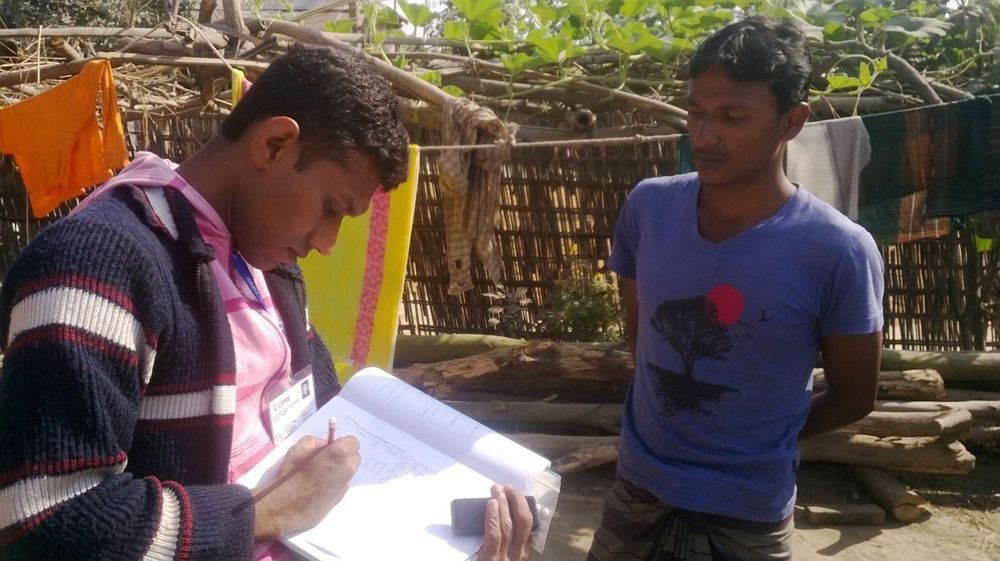
Household data collection. A CIPRB data collector records a respondent’s answers on a paper form during a household survey.
Hydrocele Surgery & Clinical Services | 2018–2019
2. Hydrocele Surgery and Patient Support
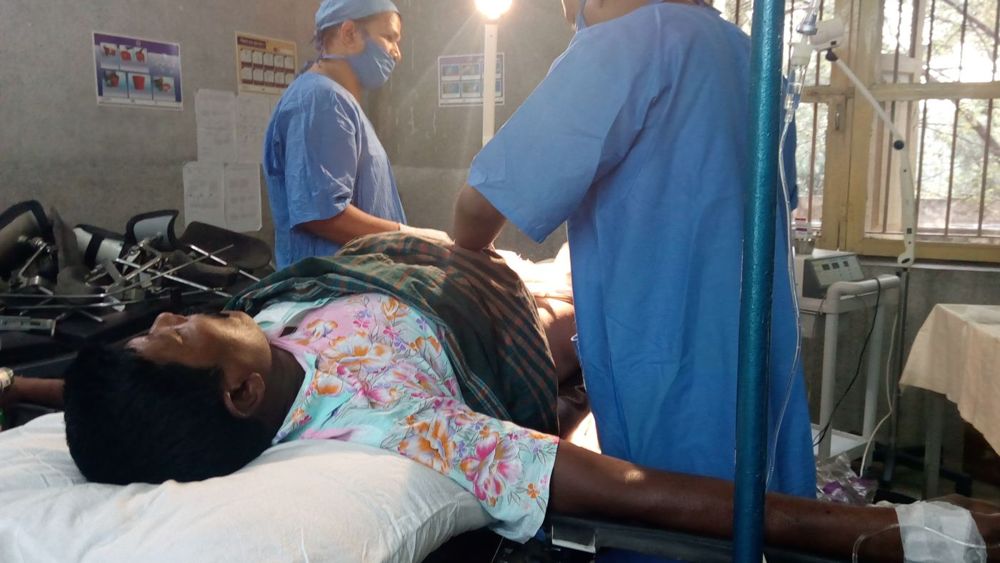
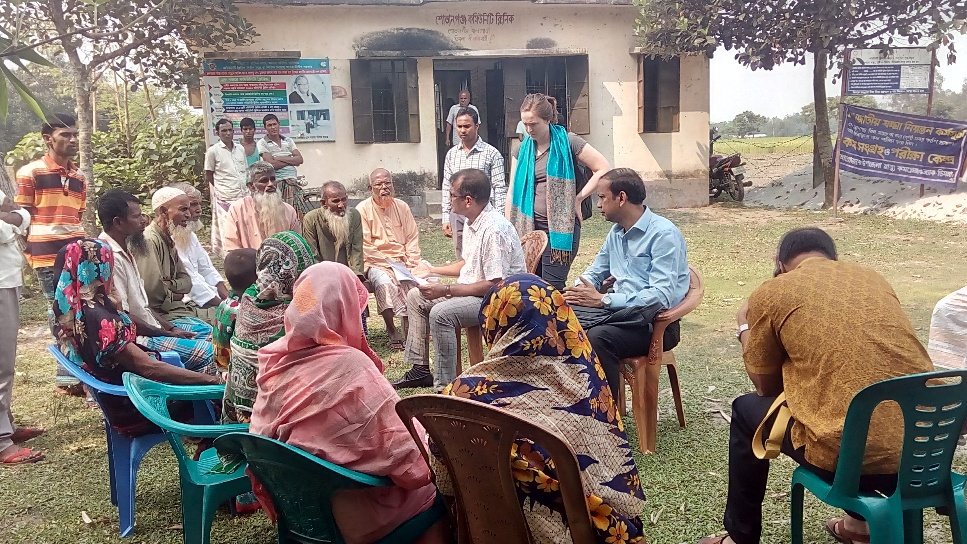
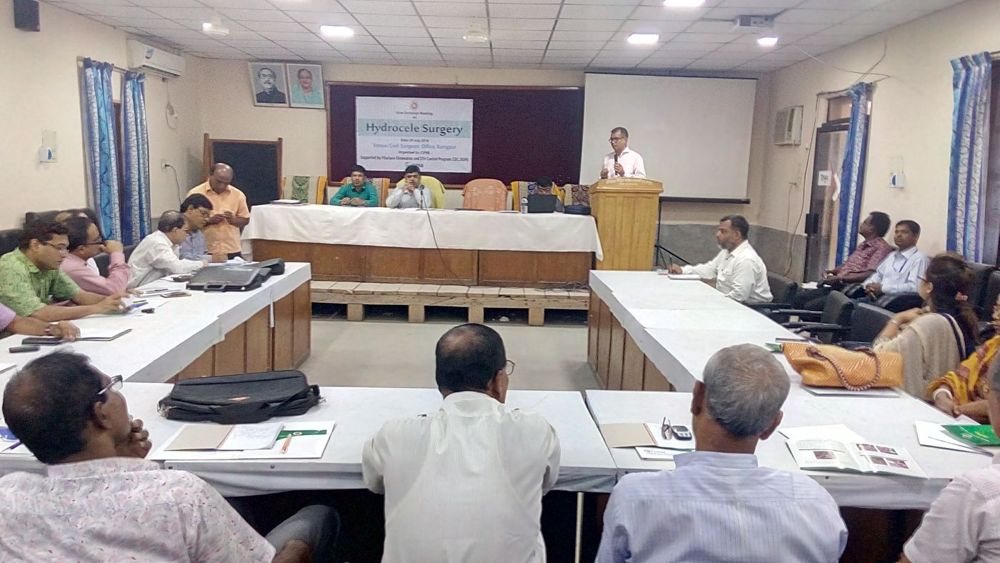
View-exchange meeting on hydrocele surgery at the Civil Surgeon Office, Rangpur.Hydrocele surgery in progress.
Hydrocele is a chronic complication of LF, and surgery is a core MMDP service. CIPRB supported more than 2,000 men affected by hydrocele in obtaining surgical care while maintaining privacy and confidentiality. Patients reported improvement in their quality of life after treatment.
CIPRB’s Role and Key Activities
Raised awareness and mobilised approximately 10,000 community members.
Coordinated patients and communicated with healthcare providers.
Mobilised communities and identified patients for surgery.
Facilitated access to surgery at health facilities.
Organised a view-exchange meeting with district health authorities.
Assessed quality of life after surgery (Nov–Dec 2018).
Coverage and Partner
Panchagarh: 147 patients (Apr–Jul 2018).
Dinajpur and Rangpur: 500 patients.
Thakurgaon, Panchagarh and Chapai Nawabganj: 1,500 patients (Mar 2018–Apr 2019).
Partner: Liverpool School of Tropical Medicine (LSTM).
Institutional expertise: Community mobilisation and case finding at scale; working with Civil Surgeon and Upazila health offices; patient-reported outcome assessment.
View-exchange meeting on hydrocele surgery at the Civil Surgeon Office, Rangpur, organised by CIPRB with support from the Filariasis Elimination and STH Control Programme, DGHS; hydrocele surgery in progress, with CIPRB community patient identification and facilitation.
MMDP Training Monitoring & Provider Capacity | 2017 and 2018
3. MMDP Training Monitoring and Evaluation
These evaluations used pre- and post-tests to assess whether MMDP training improved frontline government providers’ knowledge.
CIPRB’s Role and Activities
Monitored training quality and assessed effectiveness through pre- and post-training tests.
Monitored MMDP training sessions.
Administered pre- and post-training tests.
Compiled assessment results for the programme.
Coverage and Partner
More than 2,000 healthcare providers overall.
2017: 619 providers (327 CHCPs, 292 HAs and HIs) in 51 Upazilas across seven districts of Rangpur Division (Mar–May 2017).
2018: 1,544 providers (760 CHCPs, 751 HAs, 33 HIs) in 33 Upazilas across seven districts of Rangpur Division (2 May–31 Jul 2018).
Partner: NCDC, DGHS.
Institutional expertise: Training quality assurance with pre/post testing; working with CHCPs, HAs and HIs across many Upazilas; large-scale field monitoring in government facilities.
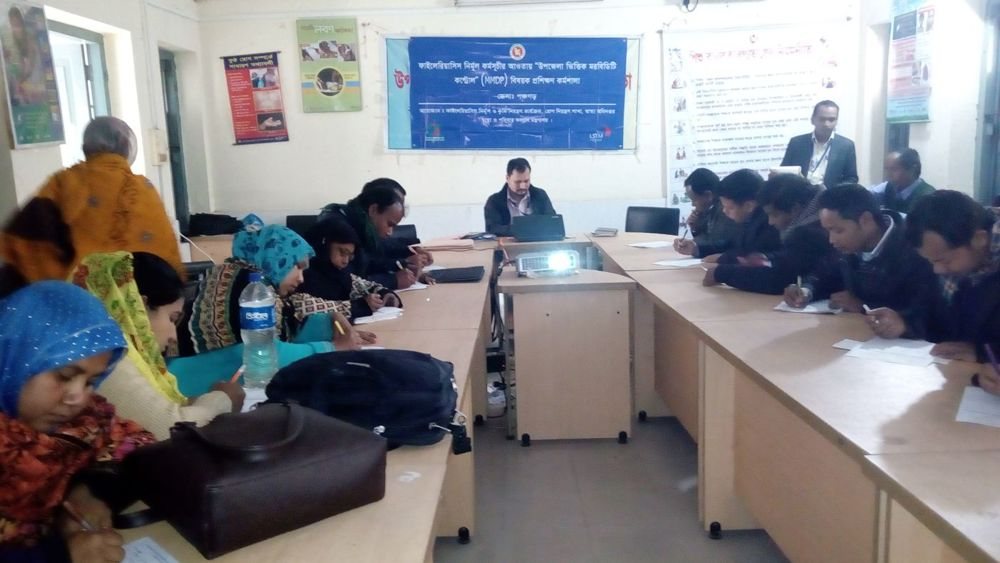
MMDP training workshop, Panchagarh. Participants complete written assessments at an Upazila-level workshop.
Health Facility Assessment | 2017 and 2018–2019
4. Community Clinic Assessments
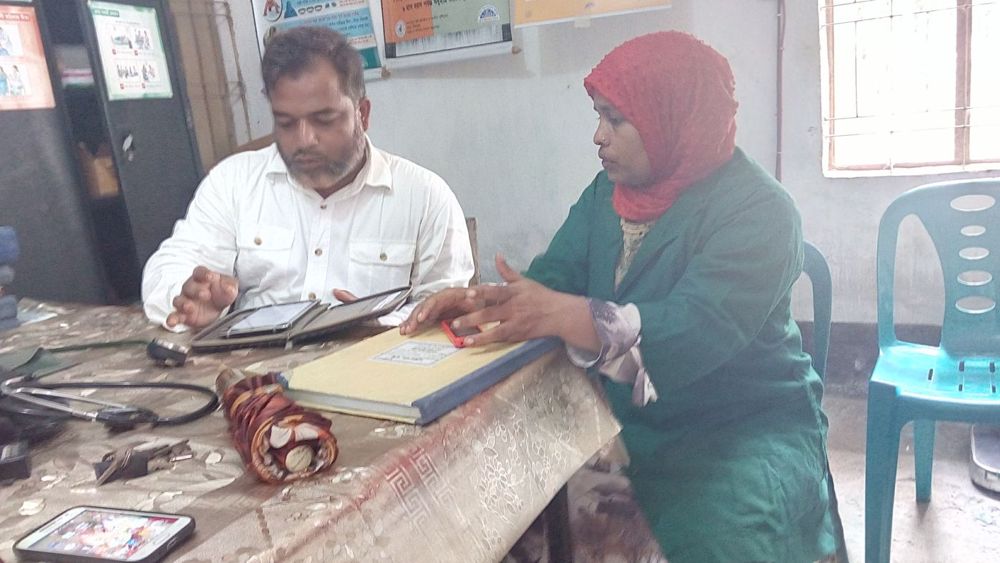
CIPRB visited Community Clinics to monitor MMDP training and assess availability and delivery of services for people affected by LF, including provider knowledge and practices, lymphoedema management supplies, self-care guidance and clinic capacity.
CIPRB’s Role and Activities
Conducted assessments for research and monitoring.
Visited and assessed selected Community Clinics.
Examined implementation and effects of MMDP training.
Reviewed availability of related services at community level.
Service delivered: facility assessment and service availability review.
Coverage and Partners
Round 1 (2017): 28 Community Clinics in 14 Upazilas across seven districts of Rangpur Division (Mar–May 2017).
Round 2 (2018–19): 138 Community Clinics (10% sample) in Chuadanga, Meherpur, Kushtia, Rajshahi, Chapai Nawabganj, Pabna and Sirajganj (6 May 2018–31 Jan 2019).
Partners: RTI International; NCDC, DGHS.
Institutional expertise: Community-level facility assessment; sampling and visiting dispersed clinics; linking training delivery to service availability.
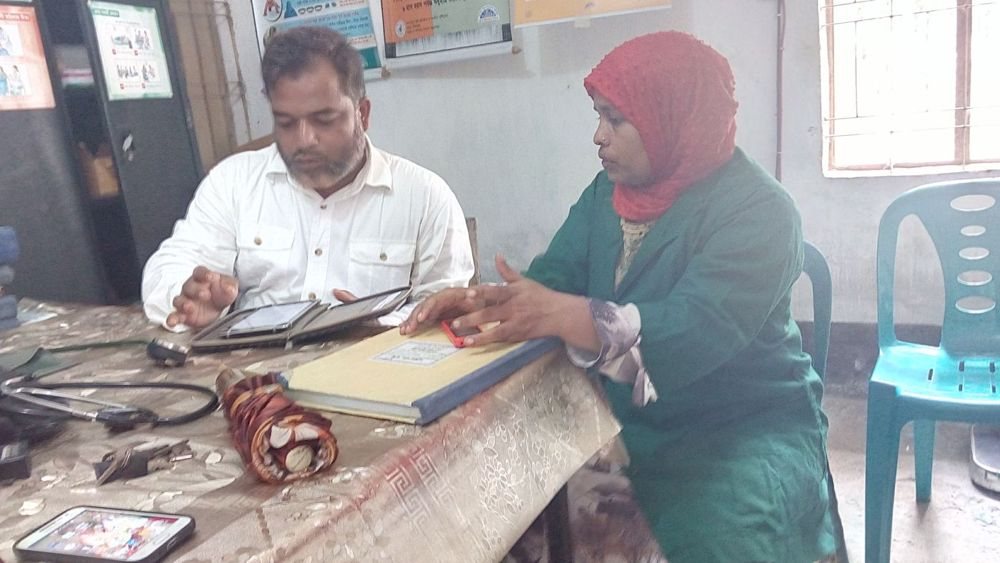
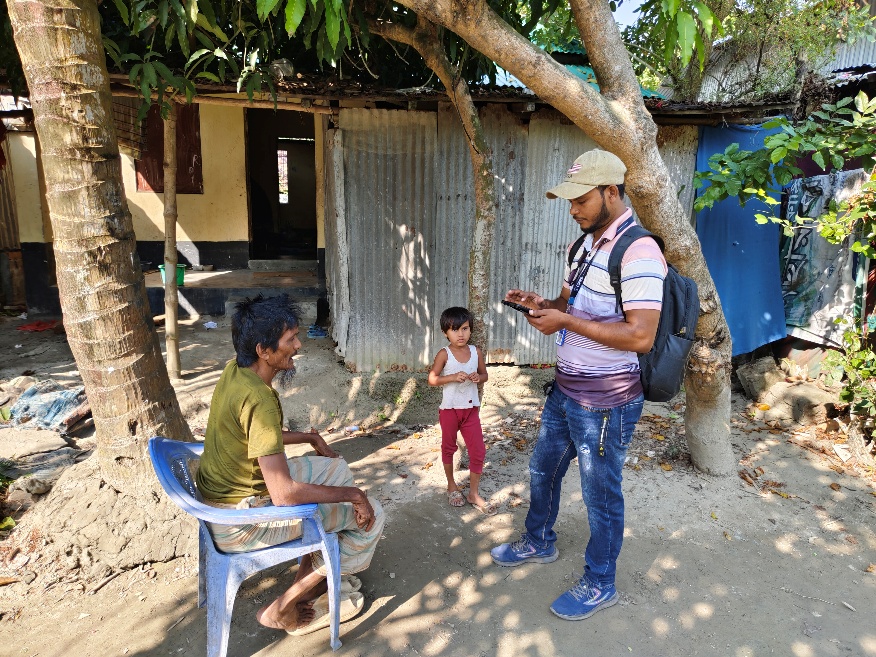
Field data collection using a tablet during a community-level assessment.
Lymphoedema Care & Self-care Research | 1 Oct 2018–11 Apr 2019
5. Enhanced Care for Lymphoedema Management
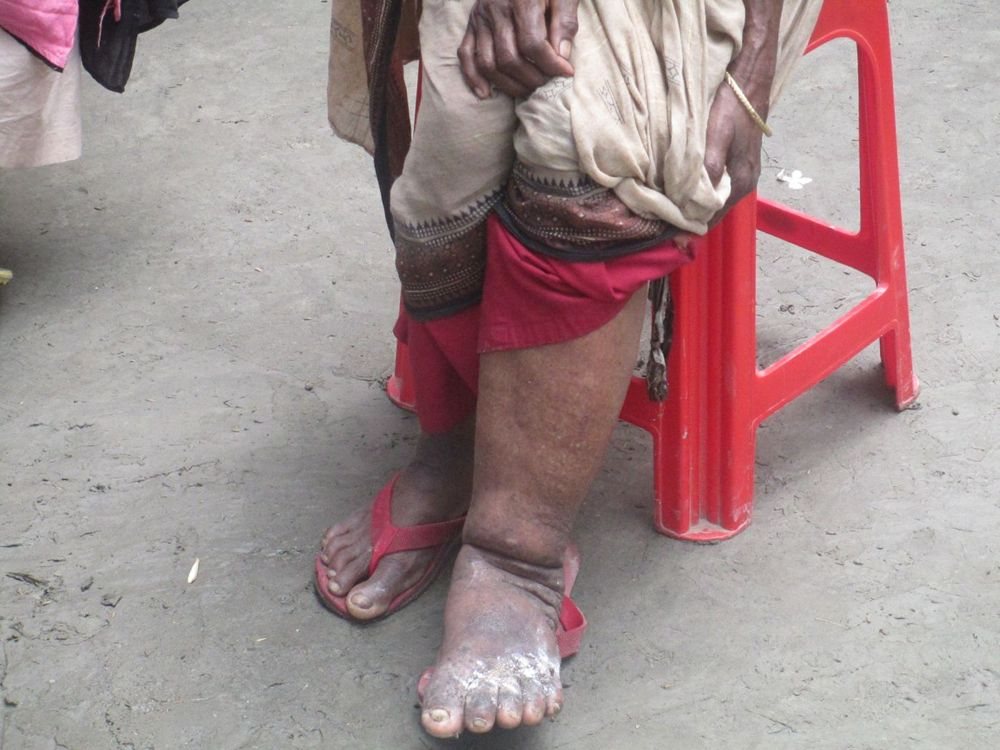
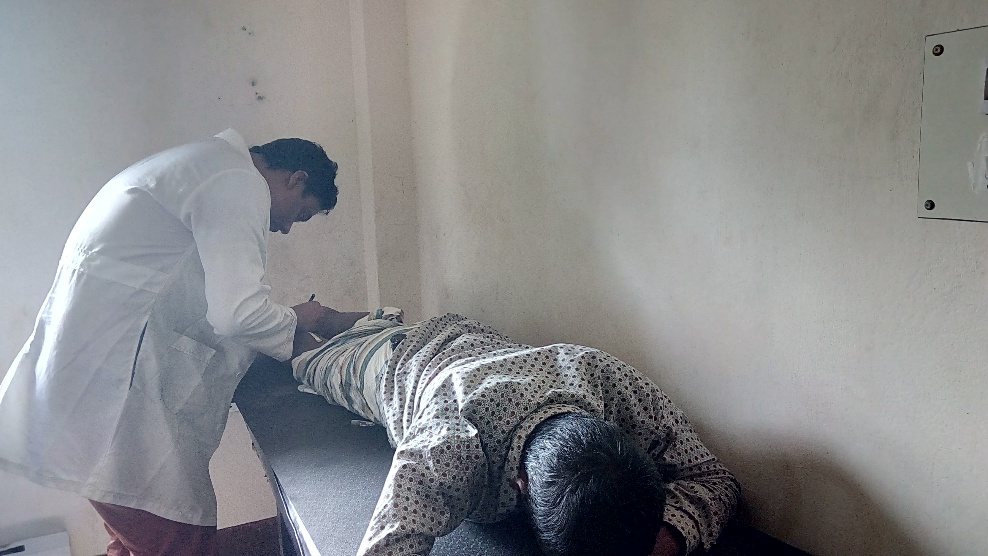
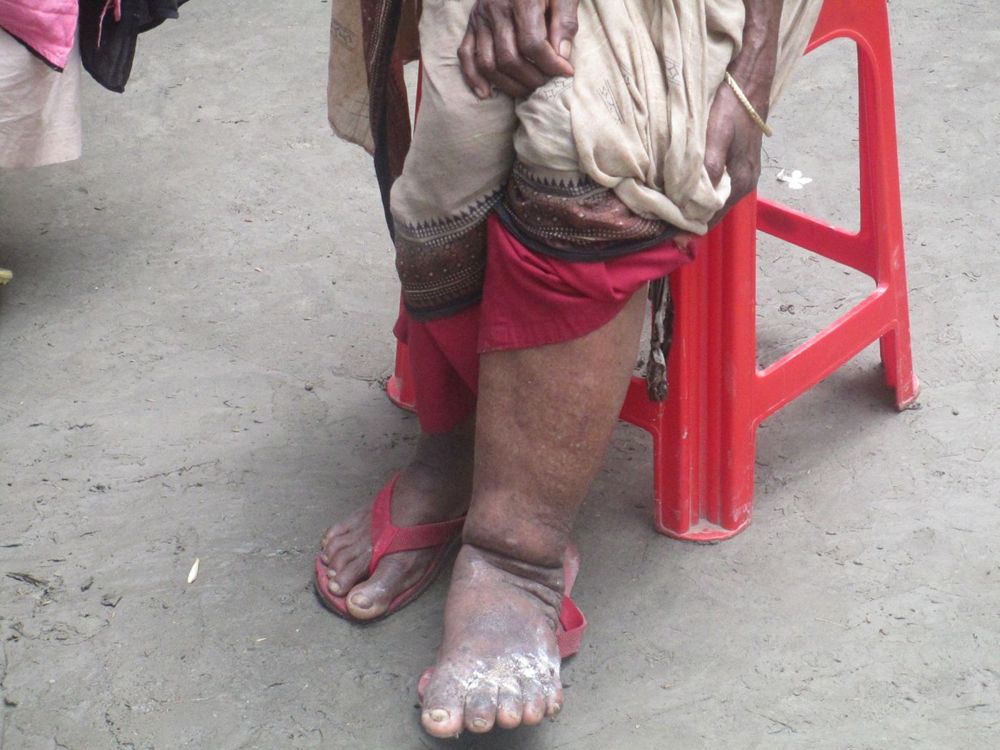
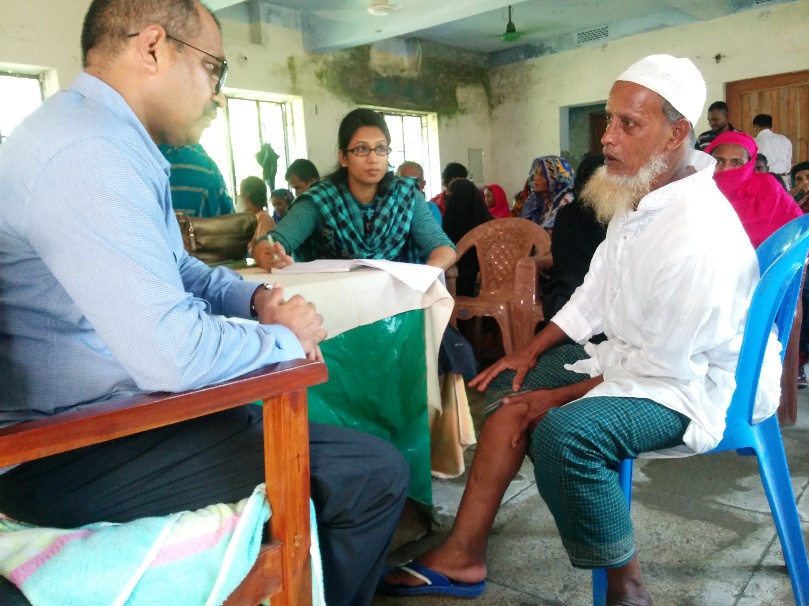
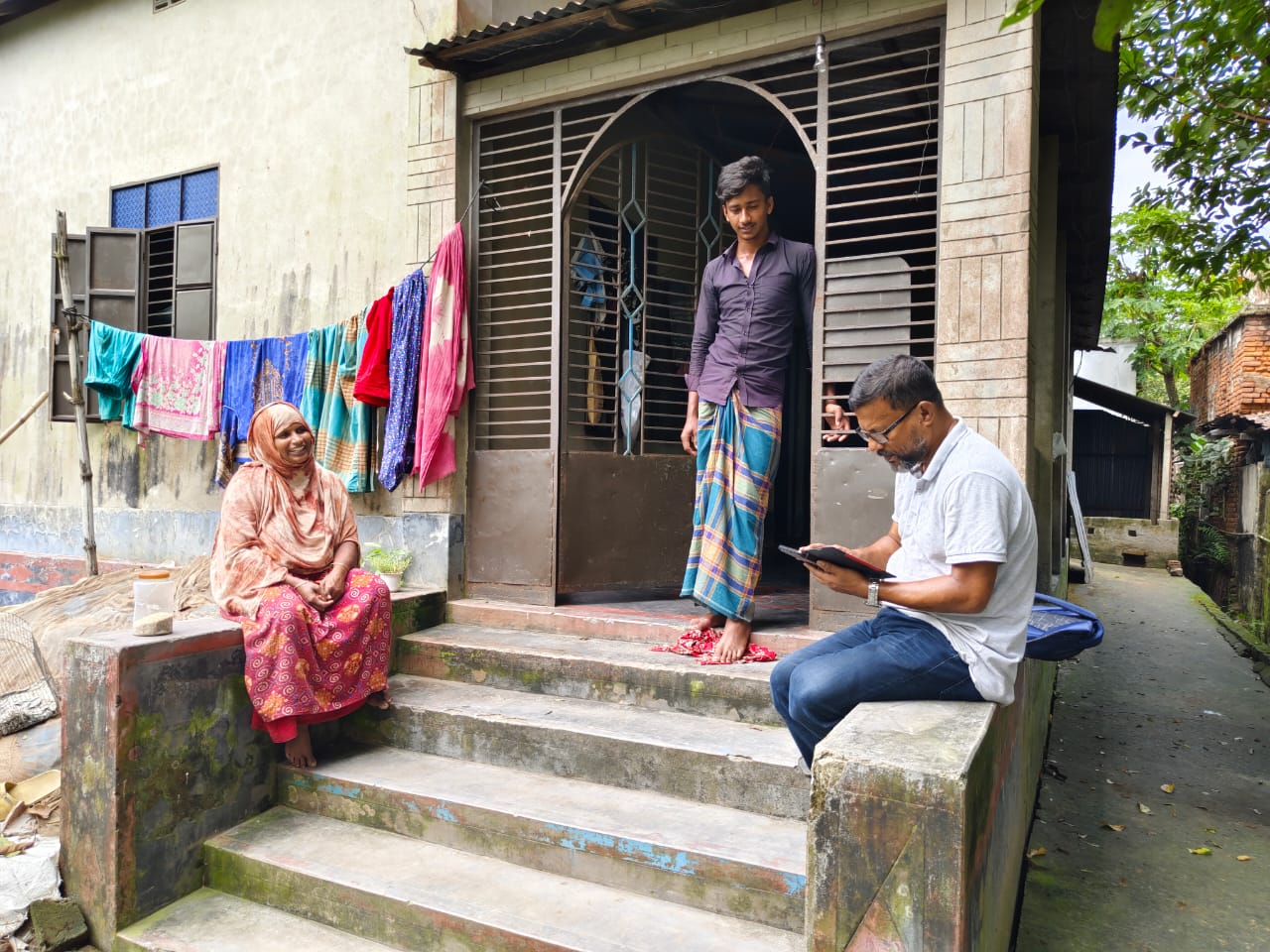
Courtyard meeting with LF patients.Patient examination.Patient mobilised for care at a Community Clinic.
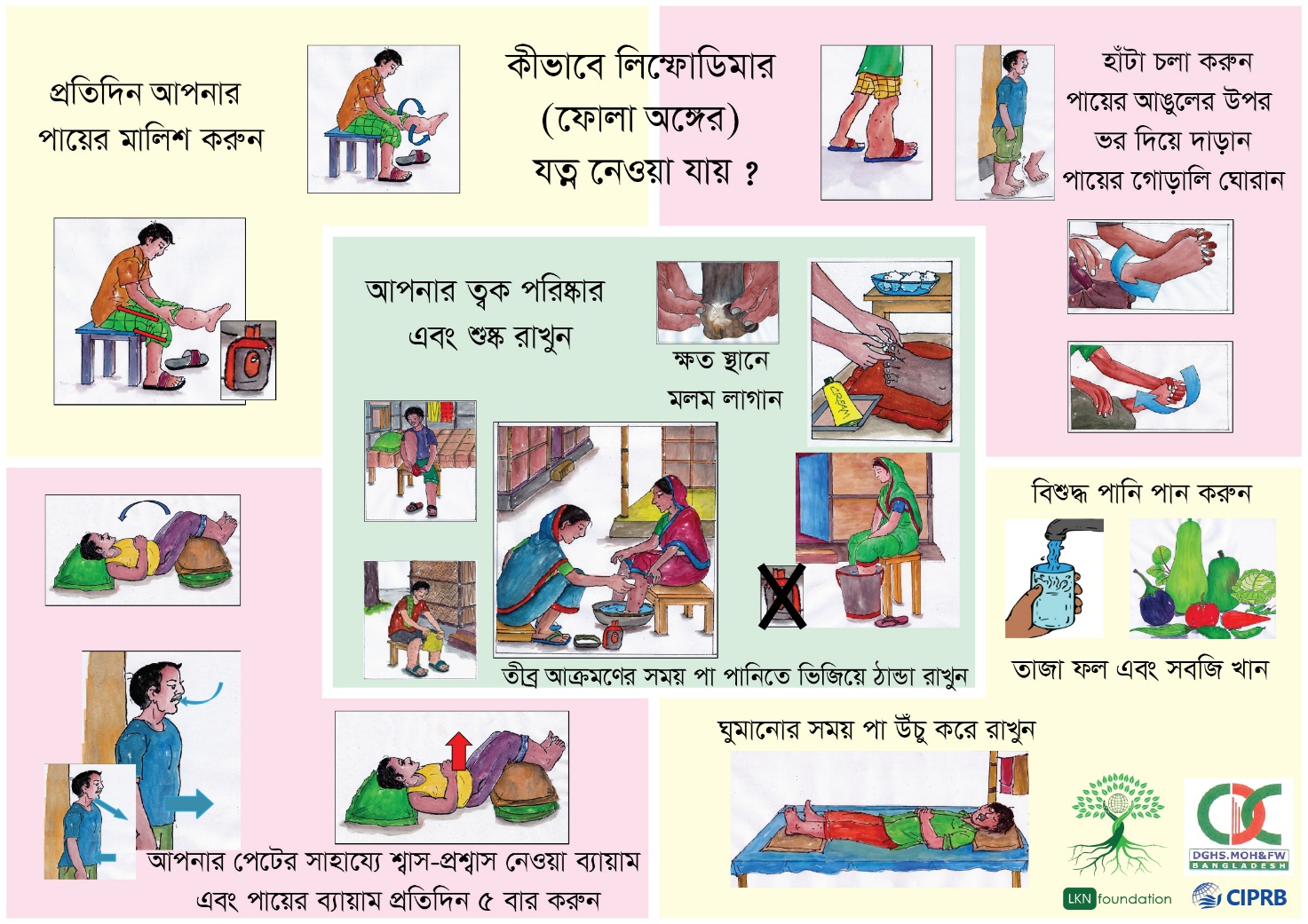
CIPRB implemented a programme to assess enhanced self-care among people with chronic LF-related lymphoedema. The programme provided guidance, education and support on limb hygiene, skin care, wound management and exercise.
Key Activities and Services
Enrolled people with chronic lymphoedema.
Delivered an enhanced care intervention over six months.
Followed participants for four rounds of data collection.
Provided lymphoedema management support and self-care promotion.
Coverage and Partner
20 Community Clinics, Nilphamari district.
140 participants with chronic lymphoedema.
Period: 1 Oct 2018–11 Apr 2019.
Partner: Liverpool School of Tropical Medicine (LSTM).
Institutional expertise: Community-based lymphoedema care research; longitudinal follow-up of patients; delivery through government Community Clinics.
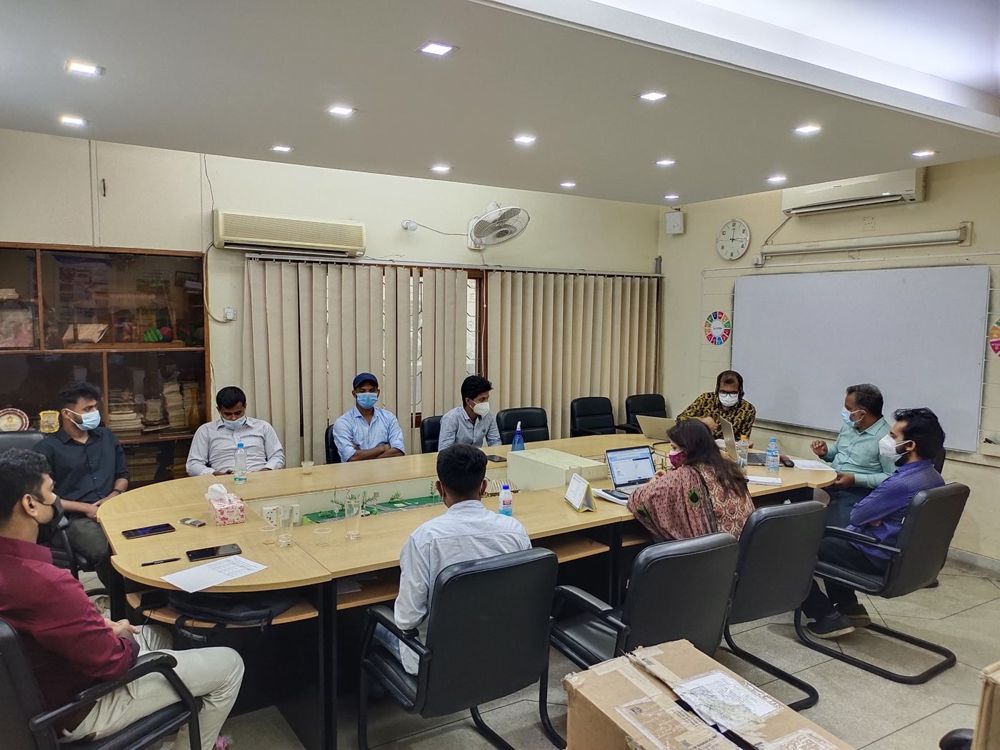
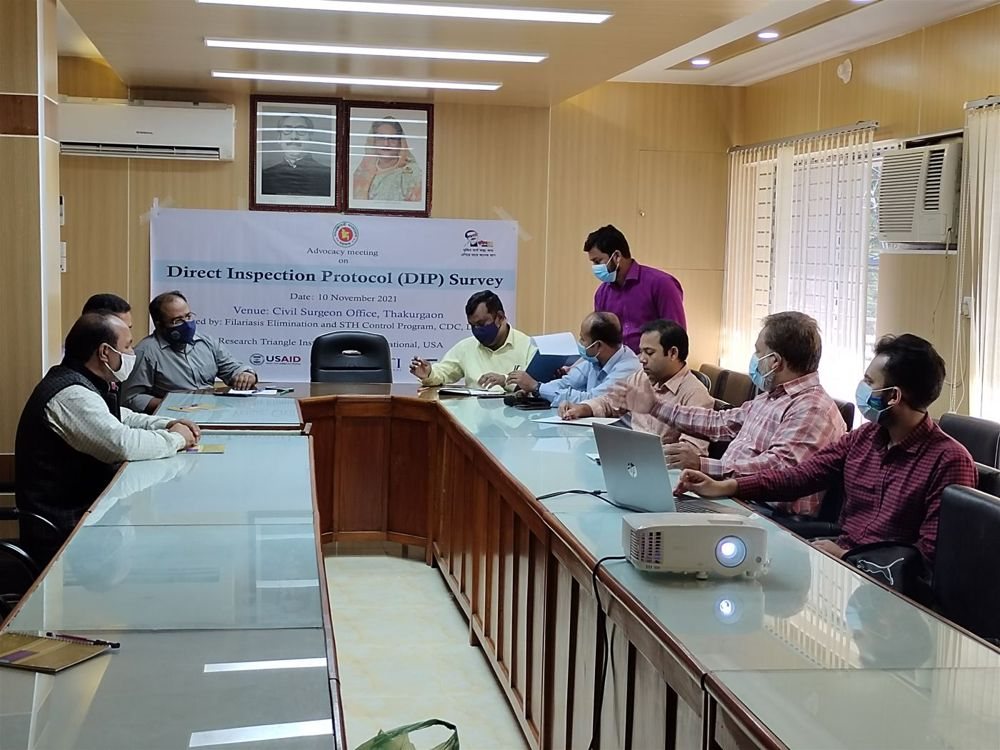
Advocacy meeting on the DIP Survey, Thakurgaon, Civil Surgeon Office.Data collector orientation before the survey.
CIPRB assessed health facilities’ capacity to deliver MMDP services for people affected by LF, examining trained staff, essential supplies, infrastructure and service delivery arrangements. The survey identified service gaps and generated evidence on MMDP availability and quality, contributing to Bangladesh’s national dossier submitted to WHO for LF elimination validation. CIPRB also sensitised government officials and health authorities on disability inclusion, accessible healthcare and sustainable MMDP service delivery.
Key Activities and Services
Assessed service availability and readiness at facilities.
Observed and monitored MMDP service delivery.
Observed training of Health Inspectors, Assistant Health Inspectors, Health Assistants and CHCPs.
Held advocacy meetings with selected district health offices.
Oriented data collectors.
Services: facility readiness assessment, MMDP service delivery monitoring and training observation.
Coverage and Partner
28 Upazila Health Complexes and 95 Community Clinics.
15 districts.
Period: June–August 2021.
Partner: RTI International.
Additional information in source: WHO announcement, 13 May 2023, that Bangladesh eliminated LF as a public health problem.
Institutional expertise: Rapid multi-district facility assessment; direct observation of services and training; producing evidence for national reporting.
Lymphoedema Care & Self-care Research | April 2024 and March 2025
7. Enhanced Lymphoedema Self-care in Bangladesh
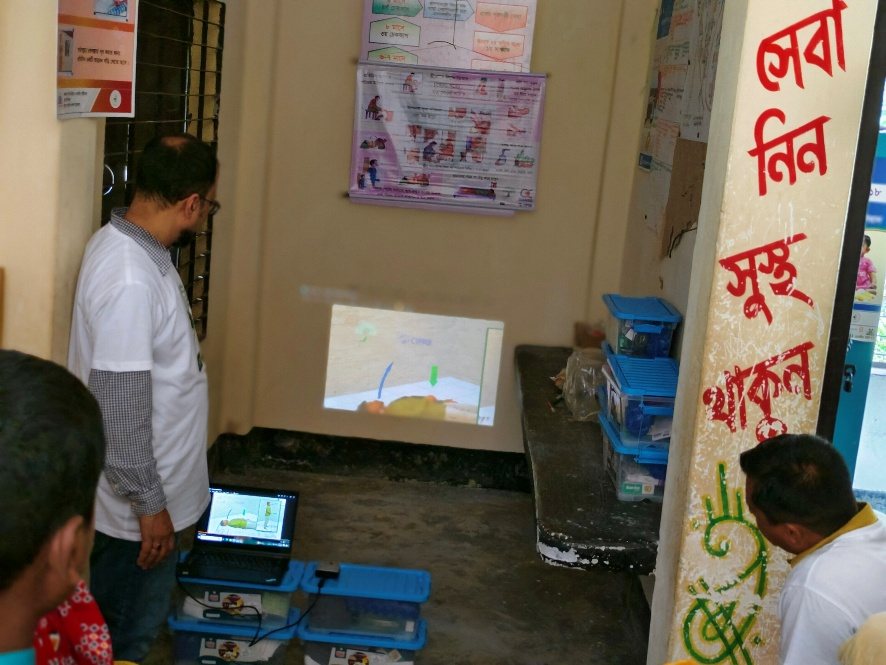
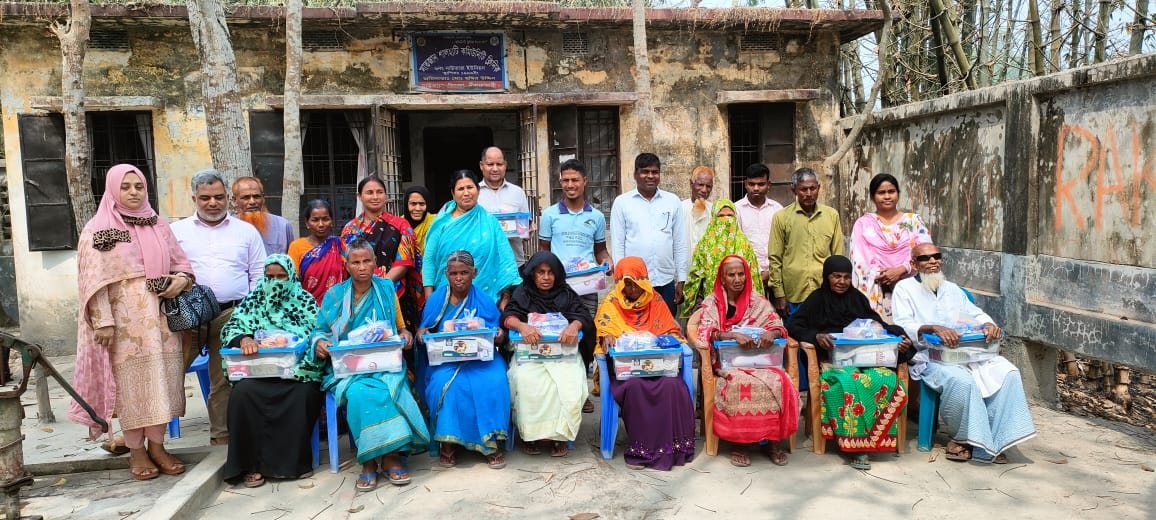
Community Clinic visit.Video demonstration of enhanced lymphoedema self-care.MMDP kit distribution to filariasis patients.
This initiative tested whether video displays help people with lymphoedema learn and sustain self-care, and documented barriers to accessing digital devices.
CIPRB’s Role and Activities
Implemented the initiative with the LKN Foundation, the funding partner.
Delivered self-care training through video displays.
Collected demographic information.
Assessed access to and use of digital devices.
Identified barriers to adopting and sustaining self-care.
Made two follow-up visits to review progress.
Service: digital and video-based self-care education.
Coverage and Partner
Two Community Clinics, Nilphamari district.
20 participants with chronic lymphoedema.
17–19 Apr 2024 and 15–17 Mar 2025.
Partner: LKN Foundation.
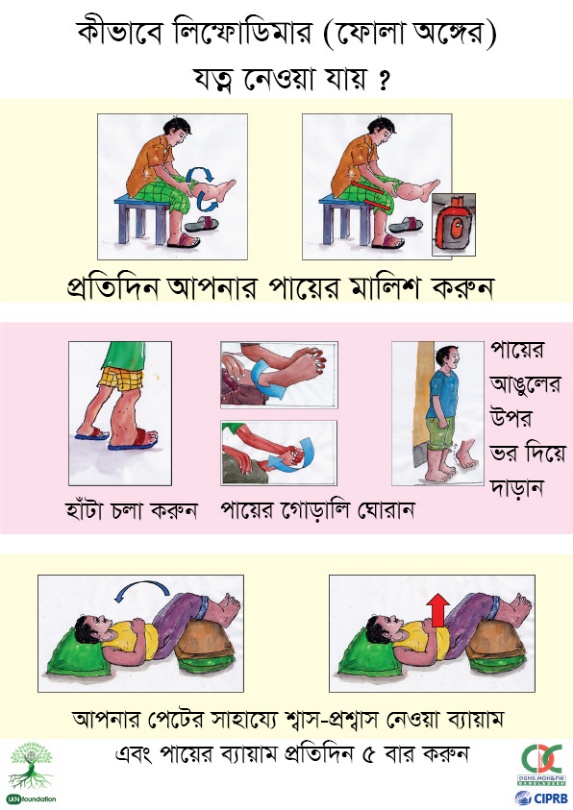
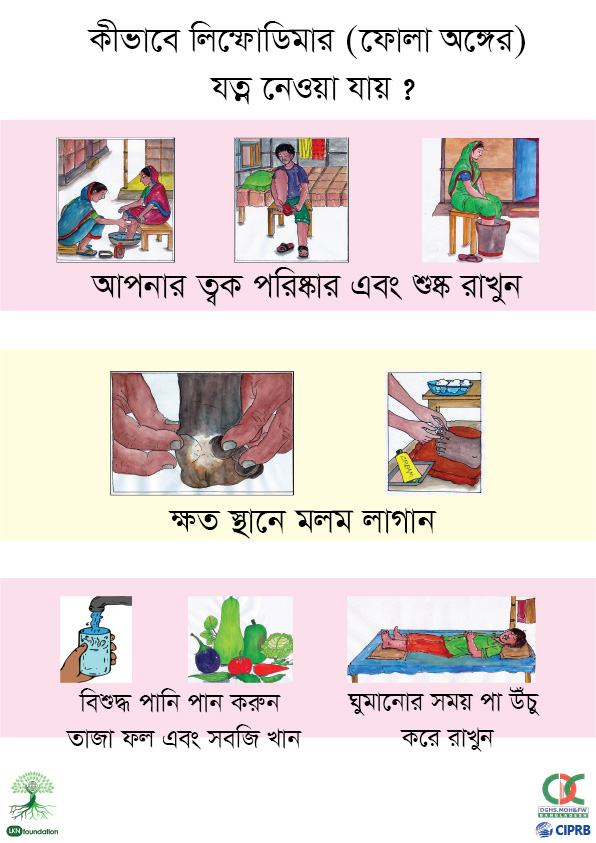
Additional information: Information, Education and Communication (IEC) materials.
Institutional expertise: Digital health education design for low-resource settings; participant follow-up and barrier assessment.
Information, Education and Communication (IEC) Materials
IEC material.IEC material.IEC material.
Patient Identification & Screening | 1 Sep 2016–30 Jun 2017
8. SMS-based Patient Identification and Screening
CIPRB implemented a three-step, SMS-based approach to identify people suspected of having LF.
Patient identification and verification.
Three-step Approach
Identification through SMS: An SMS-based screening tool identified potential patients.
Patient verification: Identified people were contacted, and their reported information was checked to assess eligibility for diagnostic testing.
Diagnostic confirmation through ICT: Eligible people had an immunochromatographic test (ICT) to detect circulating filarial antigen.
Partner: Liverpool School of Tropical Medicine (LSTM).
Snakebite | February–July 2022
9. National Snakebite Survey
Household data collection for the national snakebite survey.
CIPRB conducted a nationwide, community-based survey of snakebite deaths, morbidity and disability among people and domestic animals to inform national prevention and control strategies.
Key Activities
Conducted a nationwide cross-sectional survey using multistage cluster sampling.
Assessed snakebite incidence among people and domestic animals.
Assessed snakebite deaths, morbidity and disability.
Held community consensus meetings to document deaths.
Assessed economic losses from snakebite-related animal deaths.
Coverage
Nationwide, urban and rural Bangladesh.
300 primary sampling units.
15,639 households surveyed.
Population covered: 65,927 (rural 46,784; urban 19,141).
Study period: February–July 2022.
Institutional expertise: Nationwide epidemiological survey design and implementation; community-based research with multistage cluster sampling; assessment of snakebite mortality, morbidity and disability; human and animal health research; evidence generation for public health policy and programme development.
Snakebite | September 2022–August 2024
10. Snakebite Prevention and First Aid through Community Engagement
Community-based snakebite prevention and first-aid activities.
CIPRB implemented a community-based intervention to improve snakebite prevention, first aid and timely care-seeking in rural communities.
Key Activities
Conducted formative research and baseline, midline and endline surveys.
Established Snakebite Support Groups (SBSGs) to engage communities.
Organised courtyard meetings, school sessions and awareness campaigns.
Developed and distributed IEC materials on snakebite prevention and first aid.
Facilitated emergency transport for snakebite victims.
Strengthened provider capacity and clinical management at Upazila Health Complexes.
Introduced hospital-based snakebite surveillance.
Coverage
Kalapara, Patuakhali (intervention) and Shibganj, Chapai Nawabganj (control).
60 Community Clinic areas (30 intervention, 30 control).
450 courtyard meetings.
90 school sessions in 30 schools.
30 folk song performances.
Study period: September 2022–August 2024.
Institutional expertise: Community-based research and intervention; community mobilisation and health education; snakebite prevention and first aid; health system strengthening; emergency referral and surveillance; monitoring and evaluation.
Additional source note: Data collection ongoing.
Malaria
11. Cluster-randomized, Open-label Malaria Trial
A cluster-randomized, open-label trial to compare the impact of the following approaches on Plasmodium falciparum malaria transmission:
01 Combined Mass Vaccine and Mass Drug administrations
02 Mass Drug Administration alone
03 Mass Vaccination alone
04 No vaccination or drug administration
05 / NATIONAL CONTRIBUTIONS
Major achievements
01
Contribution to the National Dossier for LF Elimination
In collaboration with DGHS and the National NTD Programme, CIPRB prepared Bangladesh’s national dossier submitted to WHO for LF elimination validation.
Supported the generation, compilation, analysis and documentation of evidence on MDA implementation and coverage, post-MDA surveillance and transmission assessment, MMDP, and availability of care services for people affected by LF.
Documented national programme achievements and surveillance findings demonstrating sustained interruption of LF transmission.
WHO validated Bangladesh in May 2023 as having eliminated LF as a public health problem.
02
Contribution to the National Filariasis Strategic Action Plan
CIPRB contributed to the development of Bangladesh’s National Strategy and Action Plan for LF Elimination, in collaboration with DGHS, the National NTD Programme and other stakeholders.
Provided technical expertise, research evidence and programme insights to inform the national strategy.
Supported approaches focusing on surveillance and monitoring; MMDP; identification of people affected by LF; community engagement and awareness; and strengthening healthcare services for LF-affected populations.
Contributed to the national roadmap for achieving and sustaining LF elimination as a public health problem.
03
National Snakebite Strategy and Costed Plan of Action (2023–2028)
CIPRB contributed to the strategy and costed plan led by DGHS, in alignment with the WHO global strategy.
Participated in the multidisciplinary technical team, providing research evidence, public health expertise and technical inputs through stakeholder consultations, expert discussions and workshops.
Contributed to four focus areas: community engagement and empowerment; access to safe and effective treatment; health system strengthening; and partnerships and resource mobilisation.
Supported the national target of reducing snakebite deaths and disabilities by 50% by 2030 through improved prevention, surveillance, timely treatment, antivenom availability and healthcare provider capacity.
Helped establish a national framework for strengthening snakebite prevention, management and control in Bangladesh.

 Field research · Bangladesh